!Side Menu Logo

!Header Logo
Toxic Plants and Outdoor Hazards for Pets in Pipe Creek, TX
Spring and summer in the Texas Hill Country bring beautiful gardens, wildflowers, and lush landscapes—but some of these plants can pose serious risks to your pets. At Pipe Creek Animal Clinic, our veterinarians often see cases of poisoning or injury caused by toxic plants and outdoor hazards. Understanding these risks is an important part of keeping your furry friends safe and healthy.
From curious dogs digging in the yard to cats exploring nooks and crannies, outdoor environments can expose pets to harmful substances. In this blog, we’ll discuss common toxic plants for pets, highlight other outdoor pet hazards, and provide practical Texas pet safety tips to prevent accidents and poisoning.
Common Toxic Plants for Pets in Pipe Creek, TX
Many plants commonly found in Texas yards, gardens, or natural areas can be harmful if ingested. Pets may nibble on leaves, flowers, or berries out of curiosity, leading to illness. Some of the most frequent offenders include:
- Oleander: Highly toxic to both dogs and cats; ingestion can cause heart problems, vomiting, and even death.
- Azaleas and Rhododendrons: Can cause vomiting, diarrhea, and weakness.
- Sago Palm: Extremely dangerous; even small amounts can cause liver failure in dogs and cats.
- Autumn Crocus: Can lead to vomiting, diarrhea, and severe organ damage.
- Yew Plants: Ingestion affects the heart and can be fatal.
Knowing which plants are in your yard or walking areas is critical. Even small amounts of these plants can be dangerous, especially for curious dogs and cats.
Outdoor Pet Hazards Beyond Plants
Plants aren’t the only outdoor hazards pets may encounter. In Pipe Creek, TX, environmental factors and wildlife also pose risks:
- Wildlife encounters: Snakes, coyotes, and other local animals may bite or attack pets.
- Pesticides and fertilizers: Chemicals used in landscaping can be toxic if ingested or absorbed through the skin.
- Standing water: Ponds, puddles, or slow-moving water can harbor bacteria, parasites, or toxic algae.
- Sharp objects: Thorny bushes, broken glass, or debris can injure paws or skin.
- Heat hazards: High Texas temperatures and asphalt can lead to burns or heatstroke.
Pet owners should be vigilant and supervise outdoor play to prevent accidents and exposure to these hazards.
Signs of Plant or Outdoor Toxicity in Pets
Early recognition of toxicity is vital for a successful outcome. Symptoms may include:
- Vomiting or diarrhea
- Excessive drooling
- Weakness or lethargy
- Tremors or seizures
- Difficulty breathing
- Abdominal pain
If you notice any of these signs after outdoor exposure, contact Pipe Creek Animal Clinic immediately. Quick action can be life-saving.
Preventing Exposure to Toxic Plants and Hazards
Prevention is the most effective way to keep your pets safe outdoors. Consider these steps:
- Pet-proof your yard: Remove or fence off known toxic plants and hazardous areas.
- Supervise outdoor time: Keep an eye on pets during walks, play, or exploration in new areas.
- Educate family members: Children should understand which plants and areas are unsafe.
- Use pet-safe landscaping products: Avoid toxic pesticides and fertilizers.
- Provide shade and water: Protect pets from heat and dehydration during outdoor activity.
Creating a safe, controlled environment reduces the risk of accidental poisoning or injury.
Emergency Response for Toxic Plant Ingestion
Even with precautions, accidents can happen. If your pet ingests a toxic plant:
- Stay calm and assess the situation: Note the plant type and amount ingested if possible.
- Call your veterinarian immediately: Pipe Creek Animal Clinic can provide guidance and prepare for treatment.
- Do not induce vomiting unless instructed: Some plants may worsen symptoms if vomited.
- Keep your pet comfortable: Isolate them from other pets and reduce stress while seeking help.
Prompt veterinary care is crucial for recovery and preventing severe complications.
Seasonal Considerations in Texas
Pipe Creek’s climate brings unique seasonal hazards for pets:
- Spring and early summer: Flowering plants, pesticides, and snakes become more prevalent.
- Summer: Extreme heat, ticks, and wildfires pose risks.
- Fall: Leaf piles may hide snakes or sharp objects, and Halloween plants like pumpkins or lilies may tempt cats.
- Winter: Less obvious hazards include antifreeze, holiday decorations, and indoor toxins.
Being aware of seasonal changes helps prevent exposure to toxic plants and outdoor dangers year-round.
The ASPCA has a great list of safe and unsafe plants at their website here. The American Animal Hospital also has tips on petproofing, which you can read here.
Frequently Asked Questions About Outdoor Pet Safety
What should I do if my dog eats a toxic plant?
Contact your veterinarian immediately. Do not attempt home remedies unless advised by a professional.
Are all parts of a toxic plant dangerous?
Yes. Leaves, flowers, stems, and berries may all be harmful to pets.
Can cats be poisoned by chewing on indoor plants?
Absolutely. Indoor and outdoor plants can be dangerous if ingested, so identify and remove toxic species inside your home.
How can I safely identify toxic plants?
Consult resources from veterinarians, local extension offices, or reputable pet safety websites. Pipe Creek Animal Clinic can also provide guidance.
Are there safe alternatives for my yard?
Yes. Many pet-friendly plants, such as spider plants, herbs, or certain grasses, provide greenery without risk.
Visit Pipe Creek Animal Clinic for Pet Outdoor Safety Guidance
Keeping pets safe from toxic plants for pets, outdoor pet hazards, and other environmental dangers is crucial for their health and happiness. Here at Pipe Creek Animal Clinic, we are happy to offer our advice and answer questions on Texas pet safety tips and pet poisoning prevention throughout Pipe Creek, TX. If you’re searching for a vet near me, schedule an appointment today to help your furry friends enjoy the outdoors safely.
This blog is for informational purposes only. Always consult your veterinarian for personalized advice, diagnosis, or treatment plans for your pet.
Want to read more about our Pipe Creek, TX Animal Hospital and the services we provide? You can get an overview at our main Services page here. To learn more about our House Calls, click here.
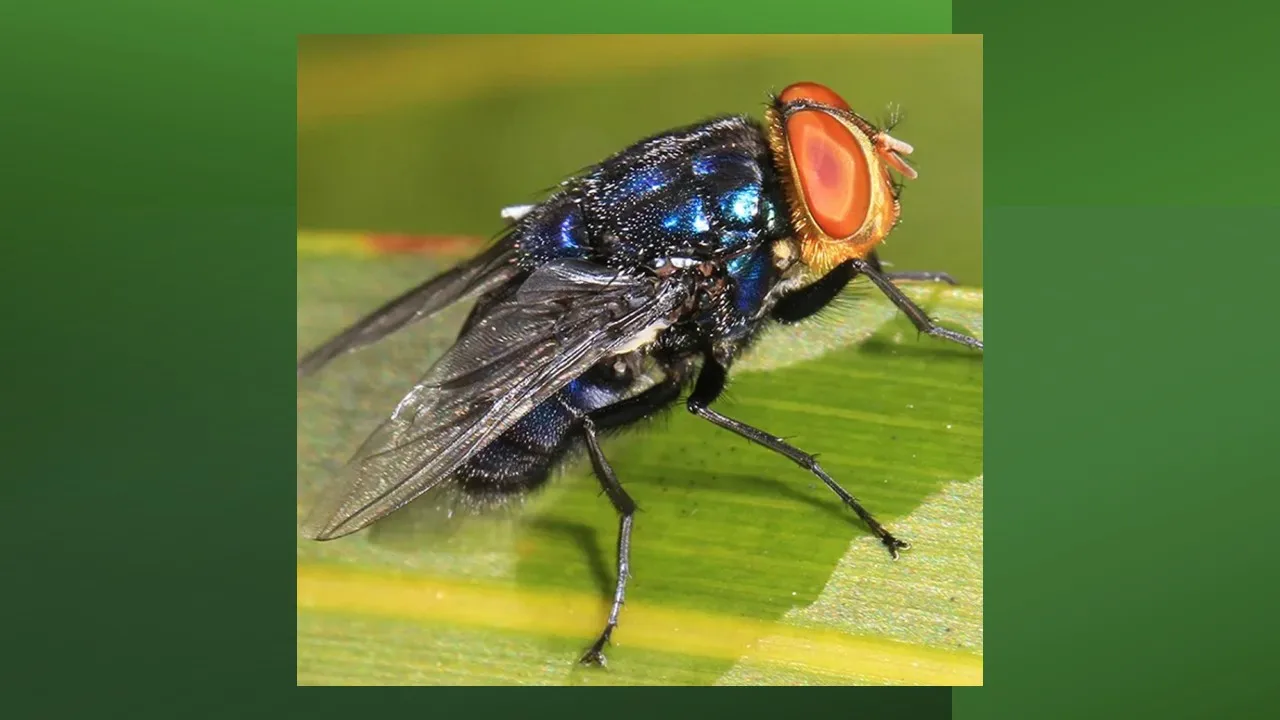
New World Screwworm in Texas: What Pet Owners and Livestock Producers Should Know

Emergency Preparedness for Farm Animals in Bandera