!Side Menu Logo

!Header Logo
Why Cats Stop Grooming and When to Be Concerned
Have you noticed that Fluffy’s coat looks unkempt or matted despite your usual grooming routine? At Pipe Creek Animal Clinic, our veterinarians often see cats experiencing cat grooming issues, which can indicate underlying health problems. Grooming is essential for a cat’s cleanliness, comfort, and overall wellbeing, so any changes in this behavior should be taken seriously.
Cats are naturally meticulous creatures. When they stop grooming, it can signal pain, stress, or medical concerns. In this blog, we’ll explore common reasons for cats not grooming, discuss potential feline health concerns, and provide practical cat care tips to help keep your feline friend healthy and comfortable.
Why Grooming Is Important for Cats
Grooming allows cats to remove dirt, loose fur, and parasites while distributing natural oils across their coat. This helps maintain healthy skin, prevents matting, and regulates body temperature. Grooming also provides mental benefits, reducing stress and promoting comfort.
When grooming declines, cats can develop mats, skin irritation, and an unhealthy coat. Observing your cat’s grooming habits can alert you to early signs of stress or illness before problems escalate, allowing for prompt intervention.
Common Reasons Cats Stop Grooming
Several factors can contribute to grooming issues in cats:
- Pain or discomfort: Arthritis, dental problems, or injury can make grooming physically painful.
- Skin conditions: Allergies, parasites, or infections may irritate the skin, discouraging grooming.
- Obesity: Overweight cats may struggle to reach all areas of their body.
- Stress or anxiety: Changes in environment, new pets, or household disruptions can reduce grooming.
- Age-related issues: Senior cats may experience decreased mobility or cognitive decline that affects grooming habits.
Recognizing these factors helps you understand your cat’s behavior and take appropriate action.
Medical Conditions Linked to Grooming Problems
Grooming issues can sometimes be a sign of serious medical conditions. Common concerns include:
- Arthritis or joint pain: Stiff joints can make it difficult for cats to groom certain areas, leading to mats and unkempt fur.
- Dental disease: Pain from teeth or gums can reduce overall self-care behaviors.
- Skin infections or parasites: Fleas, ticks, or fungal infections can make grooming uncomfortable or impossible.
- Metabolic or hormonal disorders: Conditions such as hyperthyroidism or diabetes may cause decreased grooming due to low energy or discomfort.
- Obesity or mobility issues: Cats who cannot reach all areas due to body shape or weight are prone to coat issues.
Routine wellness exams at Pipe Creek Animal Clinic help detect these issues early, allowing for timely treatment and preventing long-term complications.
Behavioral and Environmental Factors
Sometimes grooming issues are behavioral or environmental rather than medical. Factors may include:
- Stress and anxiety: Cats may neglect grooming during periods of stress or when facing conflicts with other pets.
- Environmental changes: Moving homes, remodeling, or introducing new family members can disrupt grooming routines.
- Boredom or lack of stimulation: Cats may focus less on grooming if they are under-stimulated or not mentally engaged.
Providing a calm, enriched environment, consistent routines, and positive interactions supports your cat’s mental and physical wellbeing.
How to Support Your Cat’s Grooming at Home
Even if your cat is struggling to groom, there are steps you can take to maintain coat health:
- Regular brushing: Helps remove loose hair and prevent mats, particularly in long-haired breeds.
- Monitor skin and coat: Check for redness, parasites, or wounds and address any problems promptly.
- Maintain a healthy weight: Proper diet and exercise improve mobility and enable better self-grooming.
- Environmental enrichment: Safe spaces, toys, and interactive play reduce stress and encourage normal grooming behavior.
- Assist with hygiene: For cats unable to groom themselves effectively, gentle cleaning or trimming mats can help prevent infections and discomfort.
These at-home strategies complement veterinary care, helping your cat stay comfortable and healthy.
Signs That Require Immediate Veterinary Attention
Not all grooming issues are emergencies, but certain signs warrant prompt veterinary attention:
- Persistent matting, bald patches, or sores
- Excessive shedding or unexplained hair loss
- Changes in appetite, weight, or activity level
- Signs of pain or discomfort when touched
- Sudden or dramatic reduction in grooming behavior
Early evaluation by veterinarians at Pipe Creek Animal Clinic can identify underlying health problems and allow timely intervention, preventing complications and improving quality of life.
Long-Term Care for Cats with Grooming Issues
Cats with chronic grooming issues, such as those with arthritis or obesity, require ongoing support:
- Regular wellness exams to monitor health changes
- Adjustments to diet and exercise to manage weight and mobility
- Assistance with grooming, including brushing, trimming mats, or bathing when necessary
- Environmental adaptations such as ramps, heated bedding, or accessible litter boxes for senior or arthritic cats
Proactive care ensures your feline friend stays comfortable and reduces the risk of secondary complications from poor grooming habits.
Read all about grooming your cats, from bathing, brushing, to paw care, in this article by the ASPCA. Read more about hidden health issues in cats and how to spot them in this article by PetMD.
Frequently Asked Questions About Cat Grooming Issues
Why has my cat stopped grooming suddenly?
Sudden changes in grooming often indicate pain, illness, or stress. A veterinary evaluation can identify the underlying cause.
Can stress alone cause cats not to groom?
Yes. Anxiety from environmental changes, new pets, or household disruptions can reduce grooming.
How can I help a cat with matted fur?
Gently brush or trim mats if your cat allows it, and consult your veterinarian if mats are extensive, painful, or near sensitive areas.
Are older cats more likely to stop grooming?
Yes. Aging cats may develop arthritis, dental issues, or cognitive changes that affect their grooming routine.
How often should I take my cat for a wellness exam?
Senior cats or those with known health issues may need biannual checkups, while younger, healthy cats should have at least annual exams.
Can grooming issues affect my cat’s overall health?
Yes. Neglected grooming can lead to skin infections, mats, hairballs, and secondary health problems that require veterinary care.
Visit Pipe Creek Animal Clinic for Cat Grooming Guidance
Changes in grooming habits can be an early warning sign of cat grooming issues. Here at Pipe Creek Animal Clinic, we are happy to offer advice and answer questions on cats not grooming, feline health concerns, and cat care tips throughout Pipe Creek, TX. If you’re searching for a vet near me, schedule an appointment with our clinic today to ensure your feline friend remains healthy, comfortable, and well-groomed.
This blog is for informational purposes only. Always consult your veterinarian for personalized advice, diagnosis, or treatment plans for your cat.
Want to read more about our Pipe Creek, TX Animal Hospital and the services we provide? You can get an overview at our main Services page, which you can visit here. To learn more about our House Calls, click here.
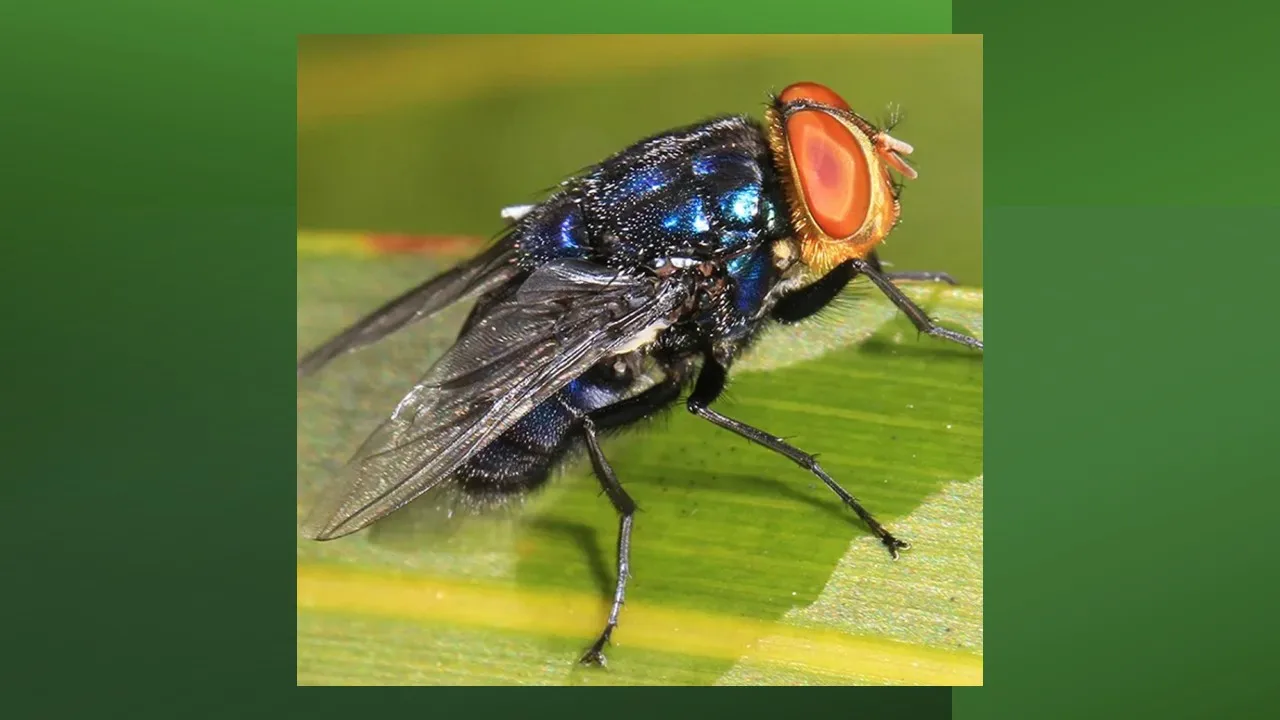
New World Screwworm in Texas: What Pet Owners and Livestock Producers Should Know

Emergency Preparedness for Farm Animals in Bandera