!Side Menu Logo

!Header Logo
Farm Animal Health: Preventing Common Illnesses in Cows
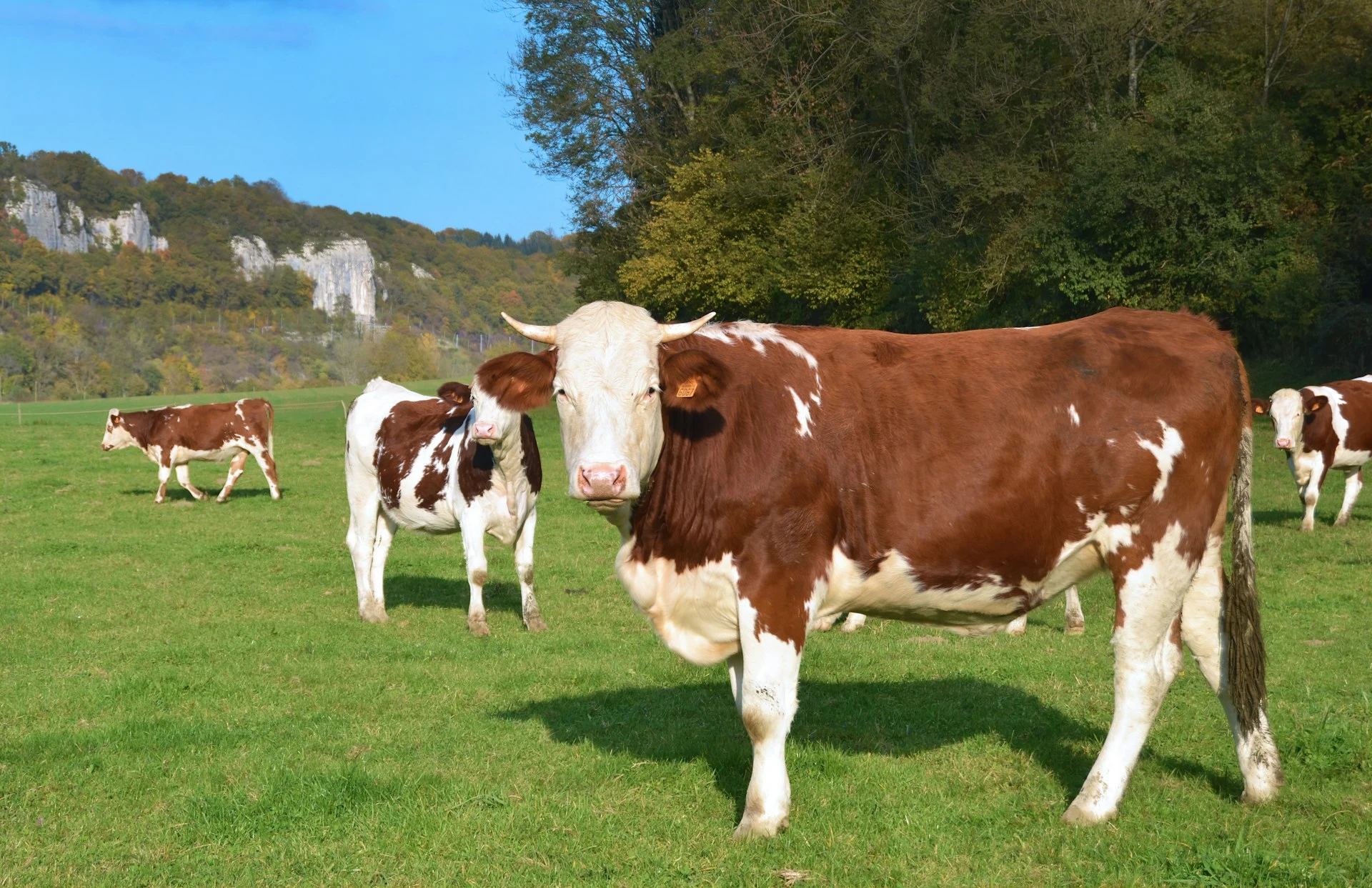
Cattle are an essential part of farm life, providing milk, meat, and economic stability for many operations. Maintaining optimal cattle health is crucial for productivity, welfare, and preventing costly outbreaks of disease. At Pipe Creek Animal Clinic, your Bandera, TX animal hospital, we support local farmers with not just great hands-on care, but also by offering expert guidance on herd health, vaccination schedules, and preventative care strategies for cows.
Preventing illness in your herd requires a combination of things: offering proper nutrition; providing comfortable, safe, and clean living environments; keeping up with routine monitoring; and making sure your animals get proper and timely veterinary care. Early detection of disease not only improves recovery rates but also reduces the risk of spreading infections to other animals.
Common Illnesses in Cattle
Several diseases commonly affect cows. Being aware of the warning signs can help you act quickly:
- Bovine Respiratory Disease (BRD): This is one of the most common and costly illnesses in both dairy and beef cattle. Symptoms include coughing, nasal discharge, fever, and labored breathing.
- Mastitis: Inflammation of the udder, often caused by bacterial infection, can lead to reduced milk production and discomfort. Watch for swelling, heat, or abnormal milk.
- Digestive Disorders: Issues such as bloat or acidosis may cause discomfort, reduced feed intake, and lethargy. Early detection through careful observation is critical.
- Parasite Infestations: Internal and external parasites, including worms and ticks, can affect health, growth, and productivity. Regular parasite control is essential.
- Foot and Hoof Problems: Infections, injuries, or poor hoof care can lead to lameness, reduced mobility, and secondary health issues.These issues can also be extremely painful.
Preventative Measures for Herd Health
Maintaining a healthy herd involves several proactive steps:
- Vaccination Programs: Keep cows up to date on vaccinations to protect against common infectious diseases. Your veterinarian can recommend a schedule tailored to your herd.
- Nutrition Management: Provide balanced feed and clean water to maintain immune function and overall health. Nutritional deficiencies can predispose cattle to illness.
- Sanitation and Housing: Clean, dry, and well-ventilated housing reduces the risk of respiratory infections and other environmental diseases.
- Regular Health Monitoring: Observe your herd daily for changes in appetite, behavior, or physical condition. Early recognition of illness can prevent severe outbreaks.
- Parasite Control: Implement a deworming and parasite management plan to minimize the impact of internal and external parasites on herd health.
- DART: Last but not least, pay attention to the DART Method. DART, in this case, stands for Depressed, Anorexic, Respiratory, Temperature. Anything that seems out of the ordinary here is worth contacting your vet.
The Role of Veterinary Care
Routine veterinary oversight is essential for disease prevention in cattle. Pipe Creek Animal Clinic provides herd health consultations, vaccination planning, and diagnostic testing to catch potential issues before they become serious. Regular veterinary visits also help you maintain records, track growth, and optimize productivity.
Veterinarians can also provide guidance on biosecurity measures, such as controlling the introduction of new animals, managing manure, and reducing the spread of infectious diseases on your farm.
Tips for Daily Herd Management
Small, consistent efforts make a significant difference in preventing disease:
- Monitor feed and water intake for early signs of digestive issues
- Inspect hooves regularly and trim as needed
- Keep records of vaccinations, treatments, and illnesses
- Separate sick or injured animals promptly to prevent disease spread
- Provide adequate space to reduce stress and injury
By incorporating these practices, farmers can maintain a healthy, productive herd with fewer outbreaks of disease.
Cornell University College of Veterinary Medicine has a helpful article about farm animal sanitation, which you can read here. Agricdemy also has a piece on this, which you can find here.
FAQs About Cattle Health
What are the most common illnesses in cows?
Bovine respiratory disease, mastitis, digestive disorders, and parasitic infestations are among the most frequent concerns.
How often should cows be vaccinated?
Vaccination schedules depend on herd size, local disease prevalence, and production goals. Consult your veterinarian for a tailored plan.
Can poor nutrition affect cattle health?
Yes, inadequate nutrition can weaken the immune system and increase susceptibility to illness.
How can I prevent hoof problems in my herd?
Regular hoof inspections, trimming, and clean, dry living areas help prevent lameness and infections.
When should I call a veterinarian?
Any sudden illness, lameness, or unusual behavior warrants prompt veterinary attention.
Schedule An Appointment With A Bandera Vet
Maintaining cattle health is essential for farm productivity and the well-being of your herd. Here at Pipe Creek Animal Clinic, we in Bandera, TX provide comprehensive guidance on disease prevention, nutrition, and routine care. If you are searching for a trusted vet near me, contact our clinic today to schedule a herd health consultation.
This blog is for informational purposes only. Always consult your veterinarian for personalized medical advice, diagnosis, or treatment recommendations for your farm animals and follow their guidance.
Want to read more about our Pipe Creek, TX Animal Hospital and the services we provide? You can get an overview at our main Services page here. To learn more about our House Calls, click here.
New World Screwworm in Texas: What Pet Owners and Livestock Producers Should Know

Emergency Preparedness for Farm Animals in Bandera