!Side Menu Logo

!Header Logo
The Benefits of Adopting Exotic Pets
Have you ever considered adding a unique companion to your family? At Pipe Creek Animal Clinic, our veterinarians provide guidance on adopting exotic pets. We are happy to help families care for animals beyond traditional dogs and cats. Exotic pets—including ferrets, birds, reptiles, and small mammals—bring unique companionship, educational opportunities, and joy into the lives of pet owners.
Adopting an exotic pet can be a rewarding experience, but it comes with responsibilities. Exotic animals often have specialized needs, from diet and habitat to socialization and healthcare. In this blog, we’ll explore the benefits of exotic pet adoption, share practical exotic pet adoption tips, and offer guidance on caring for exotic pets to ensure a happy and healthy home.
Unique Companionship
One of the most obvious benefits of adopting exotic pets is the unique companionship they provide. Exotic pets often have distinctive personalities and behaviors that can be fascinating and engaging. For example:
- Ferrets are playful, social, and curious, providing interactive companionship for owners
- Parrots and other birds can form strong bonds with their human caregivers, even learning to mimic sounds or words
- Reptiles like bearded dragons or turtles are calm, low-maintenance companions for those who enjoy observing natural behaviors
- Small mammals such as chinchillas or sugar gliders are gentle, affectionate pets that thrive with proper handling
These companions offer a fresh perspective on pet ownership, encouraging curiosity, patience, and observation. Of course, they are all fun and adorable! Just do some research to see what will work best for you.
Educational Opportunities
Adopting exotic pets can be a valuable educational experience for both children and adults. Caring for an exotic animal often requires learning about biology, behavior, nutrition, and habitat needs. Understanding these factors helps owners develop critical thinking and problem-solving skills.
Families benefit from observing natural behaviors, such as burrowing, climbing, or social interactions, which can spark interest in science, conservation, and animal welfare. Exotic pets can also teach responsibility, empathy, and respect for the natural world.
Tailored Care and Specialized Environments
Exotic pets often require specialized habitats, which allow owners to create engaging and stimulating environments. Providing enrichment, such as climbing structures for sugar gliders or heat lamps for reptiles, encourages natural behaviors and promotes physical and mental health.
Our veterinarians at Pipe Creek Animal Clinic provide guidance on proper habitat setup, nutrition, and enrichment activities to ensure that your exotic companion thrives. Establishing routines and environments tailored to your pet’s species strengthens the bond between you and your exotic friend.
Health and Wellness Benefits
Interacting with exotic pets offers physical and emotional wellness benefits for owners. Studies suggest that caring for pets, including exotic animals, can reduce stress, lower blood pressure, and enhance overall wellbeing.
Many exotic pets encourage daily interaction through feeding, play, and habitat maintenance. This engagement fosters mindfulness, patience, and routine—habits that are beneficial to human health.
Promoting Animal Welfare Through Adoption
Choosing to adopt an exotic pet rather than purchasing one from a breeder or pet store is a great option, and in general supports good animal welfare. Many exotic animals in need of homes come from rescues, sanctuaries, or families unable to care for them. Adopting provides:
- A loving, permanent home for animals in need
- Reduced demand for captive-bred or wild-caught animals
- Support for responsible exotic pet ownership
Pipe Creek Animal Clinic encourages families to consider adoption when looking for an exotic companion and provides guidance on integrating new pets into the home safely.
Socialization and Bonding
Although some exotic pets may initially be shy or reserved, consistent handling and socialization help them bond with owners. Techniques for successful socialization include:
- Gentle, frequent interactions in a calm environment
- Positive reinforcement with treats or playtime
- Gradual exposure to new household noises or family members
Proper socialization not only reduces stress for your exotic pet but also strengthens the bond between you and your furry, feathered, or scaled friend.
Considerations Before Adoption
Adopting exotic pets requires careful planning. Each species has unique needs that must be met to ensure their health and wellbeing.
Here are some things to consider:
- Dietary requirements: Some exotic pets require specialized foods, supplements, or feeding schedules
- Habitat and space: Proper enclosure size, temperature, humidity, and enrichment are essential
- Veterinary care: Exotic pets benefit from routine checkups, vaccinations where appropriate, and preventive care for parasites or illness
- Longevity: Many exotic pets live longer than typical small mammals, so be prepared for a long-term commitment
Our veterinarians at Pipe Creek Animal Clinic provide guidance for these considerations, helping owners make informed decisions and set realistic expectations.
It’s very important to do a lot of research before adopting an exotic pet. Texas A&M University has an article on adopting exotic pets. Click here to read it. The RSPCA also has a piece on adopting exotics, which you can find here.
Frequently Asked Questions About Adopting Exotic Pets
Are exotic pets suitable for first-time pet owners?
Some species, like ferrets or Guinea pigs, can be suitable for beginners with proper research, while others, like reptiles or birds, may require more specialized care.
How can I find an exotic pet to adopt?
Rescues, sanctuaries, and local adoption organizations often have exotic pets in need of homes. Your veterinarian can provide recommendations and resources.
What kind of veterinary care do exotic pets need?
Exotic pets require routine wellness exams, species-specific vaccinations (if applicable), and preventive care for parasites, diet, and environmental conditions.
Can exotic pets live with other animals?
Some exotic pets, like certain small mammals, may be social, while others, like reptiles, are solitary. Proper introductions and monitoring are essential.
How do I ensure my exotic pet is happy and healthy?
Providing species-appropriate diet, habitat, enrichment, and regular veterinary care ensures that your exotic companion thrives.
Visit Pipe Creek Animal Clinic for Exotic Pet Guidance
Adopting an exotic pet is a rewarding way to expand your family and provide a loving home for unique companions. Here at Pipe Creek Animal Clinic, we are happy to offer our advice and answer questions on adopting exotic pets, exotic pet adoption tips, and caring for exotic pets throughout Pipe Creek, TX. If you’re searching for a vet near me, contact our clinic to schedule a consultation and ensure your exotic friend thrives in their new home.
This blog is for informational purposes only. Always consult your veterinarian for personalized advice, diagnosis, or treatment plans for your exotic pet.
Want to read more about our Pipe Creek, TX Animal Hospital and the services we provide? You can get an overview at our main Services page, which you can visit here. To learn more about our House Calls, click here.
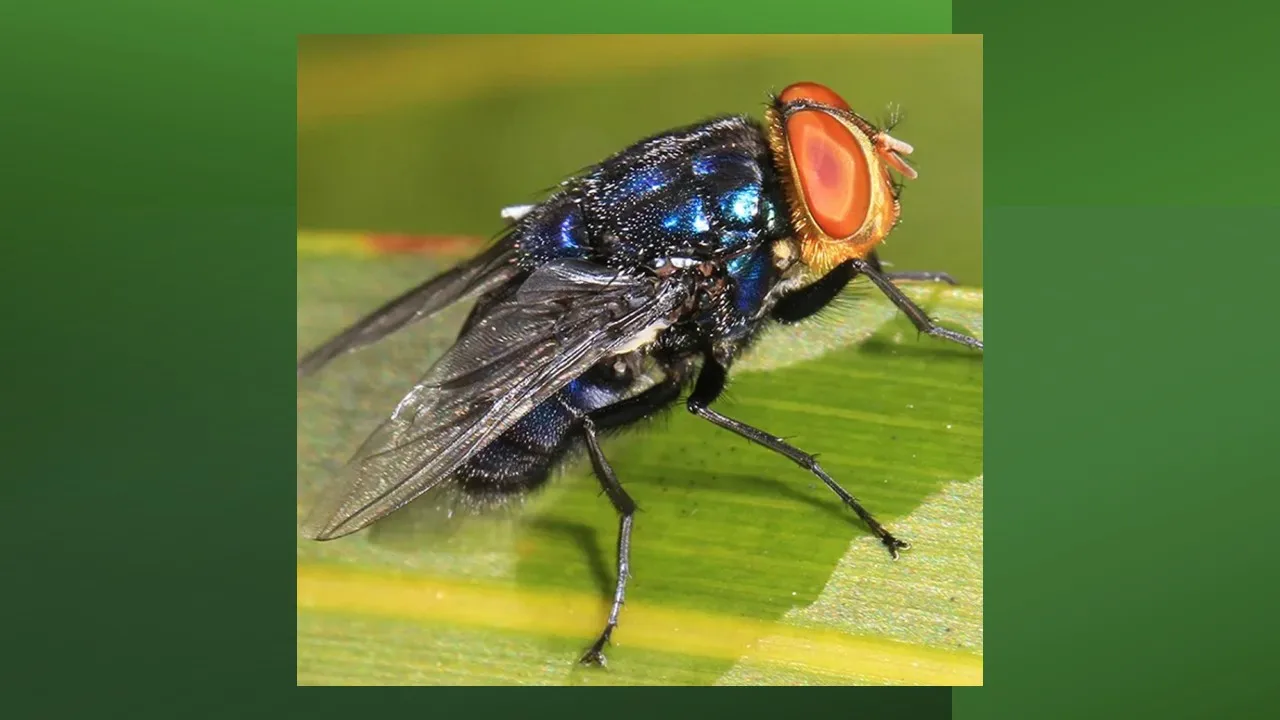
New World Screwworm in Texas: What Pet Owners and Livestock Producers Should Know

Emergency Preparedness for Farm Animals in Bandera