!Side Menu Logo

!Header Logo
Regenerative Veterinary Medicine for Joint and Soft Tissue Care
Is your furry friend struggling with joint pain or recovering from a soft tissue injury? At Pipe Creek Animal Clinic, we provide advanced regenerative veterinary medicine to help pets heal, regain mobility, and enjoy a better quality of life. Our Pipe Creek, TX clinic specializes in treatments that promote natural healing for dogs, cats, and even exotic pets.
Pets suffering from arthritis, ligament injuries, or tendon damage often experience reduced mobility and discomfort. With regenerative medicine, your four-legged buddy can benefit from therapies that stimulate repair and improve function without invasive surgery. In this blog, we’ll explain what regenerative veterinary medicine involves and why it is an important component of advanced veterinary treatments.
What Is Regenerative Veterinary Medicine?
Regenerative veterinary medicine is a branch of care that focuses on repairing damaged tissues and restoring function, typically using your pet’s own cells or biologically active substances. Unlike traditional treatments that only manage pain or symptoms, regenerative therapies promote actual healing of affected joints, ligaments, tendons, and muscles.
Common approaches include:
- Platelet-rich plasma (PRP) therapy: Concentrated platelets from your pet’s blood are injected into injured areas to stimulate tissue repair.
- Stem cell therapy: Stem cells harvested from fat or bone marrow are used to regenerate damaged tissue.
- Orthobiologic injections: These treatments support healing in joints or soft tissues affected by arthritis or injury.
By leveraging the body’s natural healing processes, regenerative veterinary medicine offers pets a non-invasive or minimally invasive alternative to surgery in many cases.
Benefits of Regenerative Medicine for Pets
Pets suffering from joint or soft tissue issues can experience several benefits from regenerative therapies, including:
- Reduced pain and inflammation
- Improved mobility and function
- Faster recovery from injuries or surgery
- Long-term support for degenerative conditions like arthritis
- Enhanced quality of life and increased activity levels
At Pipe Creek Animal Clinic, we assess each pet individually to determine the most appropriate regenerative therapy for their needs.
Conditions Treated with Regenerative Therapies
Regenerative veterinary medicine can help pets with a wide range of conditions:
- Arthritis: Joint degeneration can be slowed and discomfort reduced with PRP or stem cell therapy.
- Ligament and tendon injuries: Sports injuries, strains, and sprains benefit from targeted regenerative treatments.
- Post-surgical recovery: Supporting soft tissue healing after orthopedic procedures improves outcomes.
- Chronic pain: Pets with long-term joint or muscle issues can experience improved function and comfort.
These therapies are suitable for both young and senior pets, making them versatile options for a wide range of patients in Pipe Creek, TX.
How Regenerative Therapy Works
The process of regenerative therapy begins with a thorough veterinary examination and diagnosis. Regenerative therapy isn’t right for every pet or situation: treatments are always offered on a case by case basis. Our team evaluates the affected area, reviews your pet’s medical history, and may recommend diagnostic imaging such as X-rays or ultrasound. Once a therapy plan is determined:
- Blood or tissue samples are collected from your pet
- Samples are processed to concentrate stem cells or platelets
- The prepared biologic material is injected into the injured joint or tissue
- Follow-up care and rehabilitation are prescribed to optimize recovery
This personalized approach can help each pet receive care tailored to their specific condition and lifestyle.
Rehabilitation and Supportive Care
Regenerative veterinary medicine works best when combined with rehabilitation and supportive care. Your vet may recommend:
- Physical therapy: Controlled exercises help strengthen muscles and support joint stability.
- Hydrotherapy: Swimming or underwater treadmill sessions reduce stress on joints while promoting mobility.
- Weight management: Maintaining a healthy weight reduces stress on injured or arthritic joints.
- Nutritional support: Diets rich in nutrients for joint health complement regenerative treatments.
A comprehensive rehabilitation plan enhances the effectiveness of regenerative therapies and helps pets recover more quickly and safely.
Considerations for Pet Owners
While regenerative veterinary medicine is highly effective, there are important considerations:
- Not all conditions are suitable for regenerative treatment; a veterinary evaluation is essential
- Some therapies require multiple sessions or ongoing monitoring
- Cost varies depending on the type of therapy and the extent of the injury
- Pets may require restricted activity during the healing process to prevent re-injury
Your Pipe Creek veterinarian will guide you through the options, expected outcomes, and aftercare to ensure the best results.
Merck Veterinary Manual wrote about regenerative care in this post. The AKC also covered the topic here.
Frequently Asked Questions About Regenerative Veterinary Medicine
Is regenerative therapy safe for pets?
Yes, these therapies are minimally invasive, use your pet’s own cells, and are generally very safe. Your vet will discuss specific details after diagnosing your pet.
How long does it take to see results?
Improvement may be noticeable within a few weeks, though full benefits often develop over several months, depending on the condition.
Can all pets receive regenerative treatments?
Most dogs, cats, and certain exotic pets are candidates, though suitability depends on age, health status, and the specific condition being treated.
Will my pet need surgery anyway?
Some pets may still require surgery if the injury is severe, but regenerative therapies can often reduce the need for invasive procedures.
How do I prepare my pet for regenerative therapy?
Your veterinarian will provide guidance, which may include fasting, pre-visit exams, and brief anesthesia for sample collection.
Visit Pipe Creek Animal Clinic for Advanced Regenerative Care
Regenerative veterinary medicine provides pets with innovative options for joint therapy for pets, soft tissue repair in pets, and other advanced pet care treatments. The veterinarians at Pipe Creek Animal Clinic are experienced in delivering personalized care to pets throughout Pipe Creek, TX, helping them regain mobility and comfort. If you’re searching for a vet near me, contact our clinic today to schedule a consultation and explore regenerative treatment options for your furry friend.
This blog is for informational purposes only. Always consult your veterinarian for personalized advice, diagnosis, or treatment plans for your pet.
Want to learn more about our Pipe Creek, TX Animal Hospital and the services we provide? You can get a great overview at our main Services page here. To learn more about our House Calls, go here.
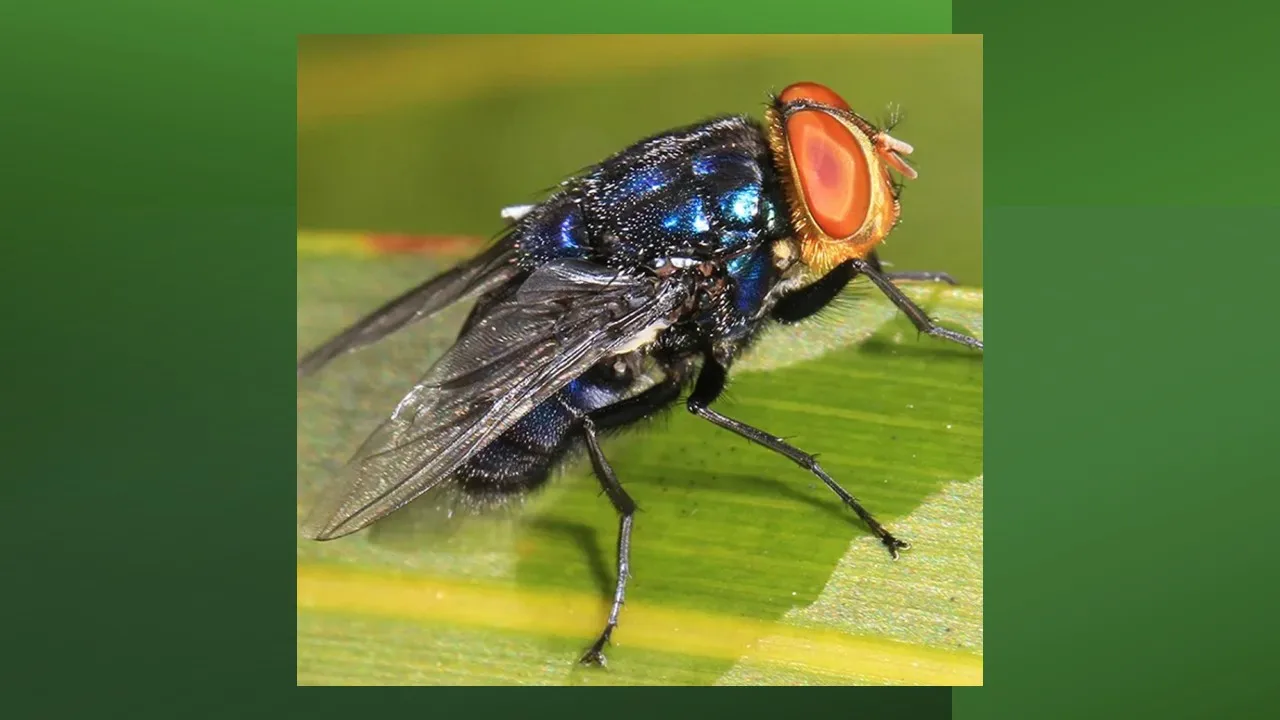
New World Screwworm in Texas: What Pet Owners and Livestock Producers Should Know

Emergency Preparedness for Farm Animals in Bandera