!Side Menu Logo

!Header Logo
Parasite Prevention in Pipe Creek, TX: Fleas, Ticks, Heartworms
Parasites aren’t the funnest thing we write about. Puppy and kitten care is much more entertaining. However, parasites like fleas, ticks, and heartworms can cause serious health problems for your furry friend. Some can even be fatal. It’s important for pet owners to know the risks and understand the importance of preventative care. At Pipe Creek Animal Clinic, we work with pet owners throughout Pipe Creek, TX to provide expert guidance on parasite prevention. Protecting your canine and feline companions from these parasites is essential for their health and comfort.
Parasite prevention is more than just a single treatment; it’s a year-round commitment. In this blog, we’ll discuss the types of parasites that are common in the Texas Hill Country, explain how to prevent infestations, and offer the best strategies for flea and tick control, heartworm prevention, and overall Texas pet parasite care. Following a comprehensive plan keeps pets safe, comfortable, and healthy.
Why Parasite Prevention Is Important
Parasites can affect pets in ways ranging from mild irritation to life-threatening illness. Fleas can cause severe itching and allergic reactions, and can also transmit tapeworms. Ticks carry diseases such as Lyme disease and ehrlichiosis. Heartworms, transmitted by mosquitoes, can damage the heart and lungs and may be fatal if untreated.
In addition to physical health, parasites can impact a pet’s behavior and quality of life. Persistent scratching, hair loss, or discomfort can make pets anxious, irritable, or withdrawn. Preventing infestations protects your pet’s health, reduces discomfort, and helps maintain a happy and calm home environment.
routine preventive care can help keep pets safe all year long. Early prevention is always more effective than treating an established infestation.
Common Parasites in Pipe Creek, TX
The Texas Hill Country has a climate that allows parasites to thrive, particularly in warm, humid months. Common parasites include:
- Fleas: Small, fast-moving insects that feed on blood and can trigger severe itching or allergic reactions. Flea infestations often start outdoors but can quickly spread indoors to carpets, furniture, and bedding.
- Ticks: These external parasites attach to the skin and can transmit serious diseases such as Lyme disease, ehrlichiosis, and Rocky Mountain spotted fever. Ticks are especially common in grassy or wooded areas.
- Heartworms: Transmitted by mosquitoes, heartworms can grow in the heart and lungs and lead to heart failure if untreated.
- Intestinal parasites: Roundworms, hookworms, and tapeworms can infect pets, often causing digestive issues, anemia, or malnutrition. Puppies and kittens are especially vulnerable.
Understanding which parasites are common in Pipe Creek allows pet owners to implement effective prevention strategies and maintain healthy pets.
Strategies for Flea and Tick Control
Fleas and ticks are more than a nuisance—they pose significant health risks. Effective control requires a combination of environmental management and preventive treatments.
- Topical or oral preventives: Regular administration of veterinarian-recommended products protects pets from infestations. These products work by killing or repelling parasites before they can cause harm.
- Environmental care: Vacuuming floors, washing bedding, and treating yards reduce the presence of fleas and ticks in your home and outdoor areas. Maintaining a clean environment is especially important during peak parasite seasons.
- Routine checks: Inspect your pet’s coat, particularly around ears, neck, and tail, after outdoor activities. Early detection allows for prompt removal and treatment.
At Pipe Creek Animal Clinic, we can recommend the most effective flea and tick prevention products based on your pet’s age, weight, and lifestyle. Combining preventive medications with environmental management is the best way to offer maximum protection.
Heartworm Prevention
Heartworm disease is common in Texas and can be fatal if left untreated. Preventive medications, available as monthly tablets or injections, are highly effective when administered consistently.
- Monthly oral or topical medications: Provide continuous protection and are easy to administer at home.
- Annual testing: Regular heartworm tests help ensure early detection and ongoing protection.
- Mosquito control: Limiting your pet’s exposure to mosquitoes reduces the risk of heartworm transmission.
Even pets that spend most of their time indoors are at risk, as mosquitoes can enter homes through open windows or doors. Following a consistent heartworm prevention plan safeguards your pet’s cardiovascular health and overall well-being.
Parasite Prevention for Indoor and Outdoor Pets
While outdoor pets are at higher risk, indoor pets are not immune. Fleas, ticks, and heartworms can enter your home through windows, doors, or contact with other animals. Consistent preventive care is recommended for all pets, regardless of lifestyle.
Indoor and outdoor preventive strategies include:
- Maintaining year-round flea and tick prevention
- Regular veterinary wellness visits to monitor for parasites
- Prompt treatment of any detected parasites
- Educating family members about parasite risks and safe handling
Pipe Creek Animal Clinic provides comprehensive guidance for indoor and outdoor pets, helping families maintain parasite-free homes and happy, healthy pets.
Recognizing Signs of Parasite Infestation
Early detection of parasites improves treatment outcomes and prevents health complications. Signs to watch for include:
- Excessive scratching or biting at the skin
- Hair loss or irritated skin
- Visible fleas or flea dirt in the coat
- Swelling or redness from tick bites
- Coughing, lethargy, or weight loss in heartworm-infected pets
If any of these signs appear, schedule an appointment with your Pipe Creek veterinarian promptly. Early intervention prevents complications and ensures effective treatment.
Seasonal Considerations for Parasite Prevention
Parasite activity often increases during warmer months, but some parasites are active year-round in Texas. Fleas and ticks may remain a threat even in cooler months, especially indoors or in protected outdoor areas. Mosquito activity can continue throughout mild winters, making heartworm prevention important year-round.
Regular veterinary guidance helps pet owners adapt parasite prevention strategies to seasonal trends and local risks, ensuring continuous protection throughout the year.
The Health For Animals website has an informative article on pet parasite control here. The American Veterinary Medical Association also has a piece on parasites in pets, which is here.
Frequently Asked Questions About Parasite Prevention
How often should pets be treated for fleas and ticks?
Preventive treatments are generally administered monthly, but your veterinarian may recommend different schedules depending on product type, local parasite prevalence, and your pet’s lifestyle.
Are indoor pets at risk for heartworms?
Yes, mosquitoes can enter homes, making heartworm prevention important for both indoor and outdoor pets.
What are the risks of untreated heartworm disease?
Heartworm disease can damage the heart, lungs, and blood vessels, potentially leading to heart failure or even death. Early prevention is key.
Can I use over-the-counter products for parasite control?
While some products are available without a prescription, veterinarian-recommended products are safer and more effective for your pet’s specific needs.
How can I make parasite prevention easy for my pet?
Discuss options with your veterinarian, such as monthly oral medications, topical treatments, or combination products. Consistency, routine checks, and preventive care create a smooth and stress-free schedule.
Visit Pipe Creek Animal Clinic for Parasite Prevention
Keeping your pet protected from fleas, ticks, heartworms, and other parasites is essential for their health and comfort. The veterinarians at Pipe Creek Animal Clinic provide expert guidance on parasite prevention, including flea and tick control, heartworm prevention, and overall Texas pet parasite care. By following a tailored prevention plan, your furry friend can enjoy the outdoors safely while minimizing the risk of serious health problems.
If you’re searching for a vet near me, contact our clinic today to schedule a wellness visit and ensure your pet remains protected year-round.
This blog is for informational purposes only. Always consult your veterinarian for personalized advice, diagnosis, or treatment plans for your pet.
Want to learn more about our Pipe Creek, TX Animal Hospital and the services we provide? You can get a great overview at our main Services page here. To learn more about our House Calls, go here.
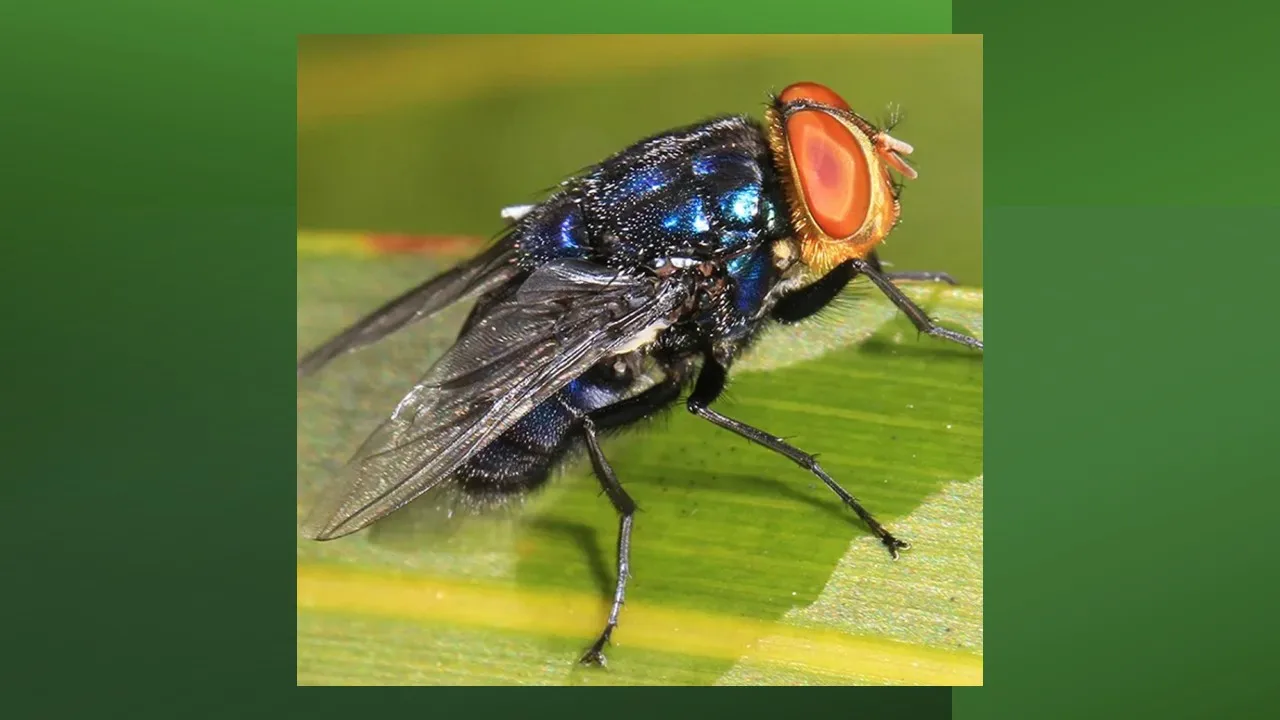
New World Screwworm in Texas: What Pet Owners and Livestock Producers Should Know

Emergency Preparedness for Farm Animals in Bandera