!Side Menu Logo

!Header Logo
Dental Health Care for Cats and Dogs Explained
Have you ever noticed your furry friend chewing less or drooling? Does your pet have bad breath? At Pipe Creek Animal Clinic, we have plenty of patients with our veterinarians emphasize the importance of pet dental care for dogs, cats, and other companion animals. Dental health is about more than a clean smile—it affects your pet’s overall wellbeing, including heart, kidney, and liver health.
Oral diseases are common in pets but often go unnoticed until advanced. Routine dental exams and preventive care are key to keeping your furry buddy healthy. In this blog, we’ll explore how to maintain dog and cat teeth care, discuss oral health for pets, and share practical veterinary dental tips for long-term wellbeing.
Why Dental Care Is Important for Pets
Pets cannot brush or floss their teeth on their own, making them prone to plaque buildup, gum disease, and tooth decay. Poor dental health can lead to:
- Painful infections and tooth loss
- Difficulty eating and weight loss
- Chronic inflammation affecting organs like the heart and kidneys
- Bad breath that signals underlying disease
Routine dental care at Pipe Creek Animal Clinic helps detect issues early, allowing veterinarians to intervene before serious problems develop.
Common Dental Issues in Cats and Dogs
Dogs and cats may experience similar dental problems, but there are some differences:
- Tartar and plaque buildup: Leads to gingivitis and periodontal disease
- Broken or fractured teeth: Caused by chewing hard objects or trauma
- Tooth resorption (cats): Feline-specific condition where tooth structure deteriorates
- Oral tumors: Less common but can occur in both cats and dogs
- Bad breath (halitosis): Often the first visible sign of dental disease
Recognizing these signs early and consulting your veterinarian is crucial for timely treatment and prevention of further complications.
Daily Dental Care at Home
Preventive dental care starts at home. Daily or frequent care reduces plaque, prevents gingivitis, and maintains healthy teeth:
- Brushing: Use a pet-safe toothbrush and toothpaste to brush your pet’s teeth regularly.
- Dental chews and toys: Chewing can help reduce plaque buildup and satisfy natural instincts.
- Water additives: Certain veterinary-approved water additives help minimize bacterial growth.
- Dietary support: Dry food or special dental diets can assist in reducing tartar accumulation.
Introduce dental care gradually, making brushing and cleaning a positive experience with praise or treats. Consistency is key for lifelong oral health.
Professional Veterinary Dental Care
Even with home care, professional veterinary exams and cleanings are essential. At Pipe Creek Animal Clinic, our veterinarians provide:
- Comprehensive dental exams: Checking teeth, gums, tongue, and oral cavity for disease
- Dental cleanings under anesthesia: Safely remove plaque and tartar from all tooth surfaces
- Polishing and fluoride treatment: Strengthen teeth and prevent future buildup
- Extractions or oral surgery: Address broken, infected, or diseased teeth when necessary
Regular professional care helps prevent advanced dental disease, keeping pets comfortable and healthy.
Signs Your Pet Needs Dental Attention
Watch for these indicators that your furry friend may need a dental checkup:
- Persistent bad breath
- Difficulty eating or chewing
- Pawing at the mouth or face
- Swollen, red, or bleeding gums
- Loose, broken, or missing teeth
Early detection and treatment prevent pain and long-term health problems.
Special Considerations for Cats
Felines are particularly susceptible to dental disease, including:
- Feline odontoclastic resorptive lesions (FORL): Painful tooth breakdown unique to cats
- Gingivostomatitis: Severe inflammation of gums and mouth
- Sensitivity to anesthesia: Our veterinarians use careful monitoring and protocols for safe dental procedures
Cats may hide discomfort, making regular veterinary exams crucial for maintaining oral health.
Benefits of Regular Dental Care
Investing in your pet’s dental health has long-term benefits:
- Prevents painful infections and tooth loss
- Maintains proper nutrition and chewing ability
- Reduces risk of secondary organ damage from chronic inflammation
- Enhances overall comfort and quality of life
Dental health is an essential part of preventive care and contributes to a longer, healthier life for your furry pal.
Frequently Asked Questions About Pet Dental Care
How often should my pet have a dental exam?
Most dogs and cats benefit from a dental exam once a year, though high-risk pets may require more frequent checkups.
Can I use human toothpaste for my pet?
No. Human toothpaste contains ingredients that can be toxic to pets. Always use pet-safe toothpaste recommended by your veterinarian.
Are dental cleanings painful for pets?
Dental cleanings are performed under anesthesia, so your pet does not experience pain during the procedure. Sedation ensures a thorough and safe cleaning.
How can I brush my pet’s teeth if they resist?
Start slowly, using a soft brush and small, positive sessions. Pair with treats and praise. Your veterinarian can demonstrate proper technique and offer alternatives if needed.
Can dental disease affect my pet’s overall health?
Yes. Oral infections can spread bacteria to organs like the heart, kidneys, and liver, impacting your pet’s overall health.
Cornell University College Of Veterinary Medicine has an in-depth article on canine dental issues here. PetMD has a helpful article on the importance of doggy dental care here and one on kitty dental issues here.
Visit Pipe Creek Animal Clinic for Pet Dental Care
Maintaining pet dental care is a vital part of keeping your furry friend healthy. Here at Pipe Creek Animal Clinic, we are happy to offer our advice and answer questions on dog and cat teeth care, oral health for pets, and veterinary dental tips throughout Pipe Creek, TX. If you’re searching for a vet near me, schedule an appointment with our clinic today to give your pet a healthy, pain-free smile.
This blog is for informational purposes only. Always consult your veterinarian for personalized advice, diagnosis, or treatment plans for your pet.
Want to read more about our Pipe Creek, TX Animal Hospital and the services we provide? You can get an overview at our main Services page, which you can visit here. To learn more about our House Calls, click here.
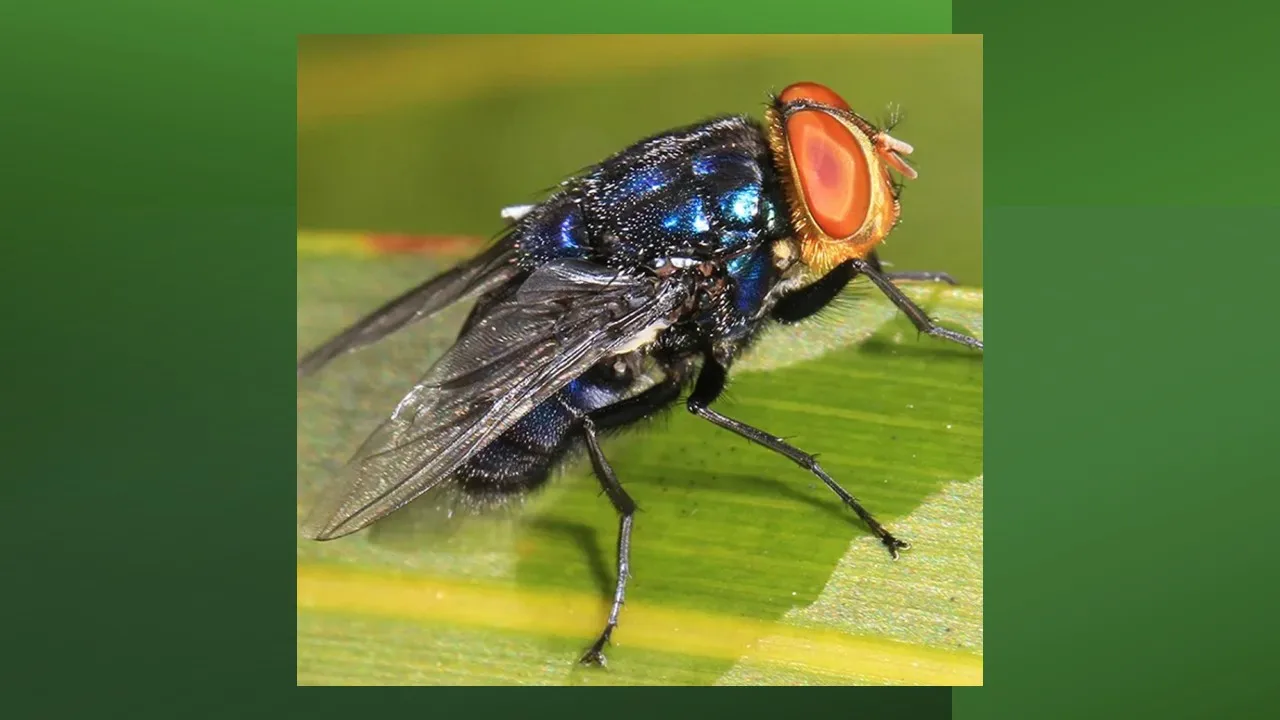
New World Screwworm in Texas: What Pet Owners and Livestock Producers Should Know

Emergency Preparedness for Farm Animals in Bandera