!Side Menu Logo

!Header Logo
New World Screwworm in Texas: What Pet Owners and Livestock Producers Should Know
News about the return of the New World screwworm has captured the attention of veterinarians, ranchers, livestock producers, and pet owners across Texas and beyond. At Pipe Creek Animal Hospital, your Pipe Creek, TX veterinary clinic, questions about New World screwworm in Texas continue to increase as animal health officials monitor new developments and response efforts. Whether you share your home with a beloved dog or cat, manage a cattle operation, own horses, or care for a small hobby farm, understanding this parasite can help you recognize potential concerns and take practical steps to protect the animals that depend on you.
The current situation has prompted renewed conversations about New World screwworm in pets, cattle screwworm risks, screwworm prevention for livestock, and identifying screwworm infestations before they become serious. While there is no reason for panic, awareness remains one of the most valuable tools available to animal owners. Learning what veterinarians and livestock professionals are watching for can help you respond quickly if concerns arise.
What Is the New World Screwworm?
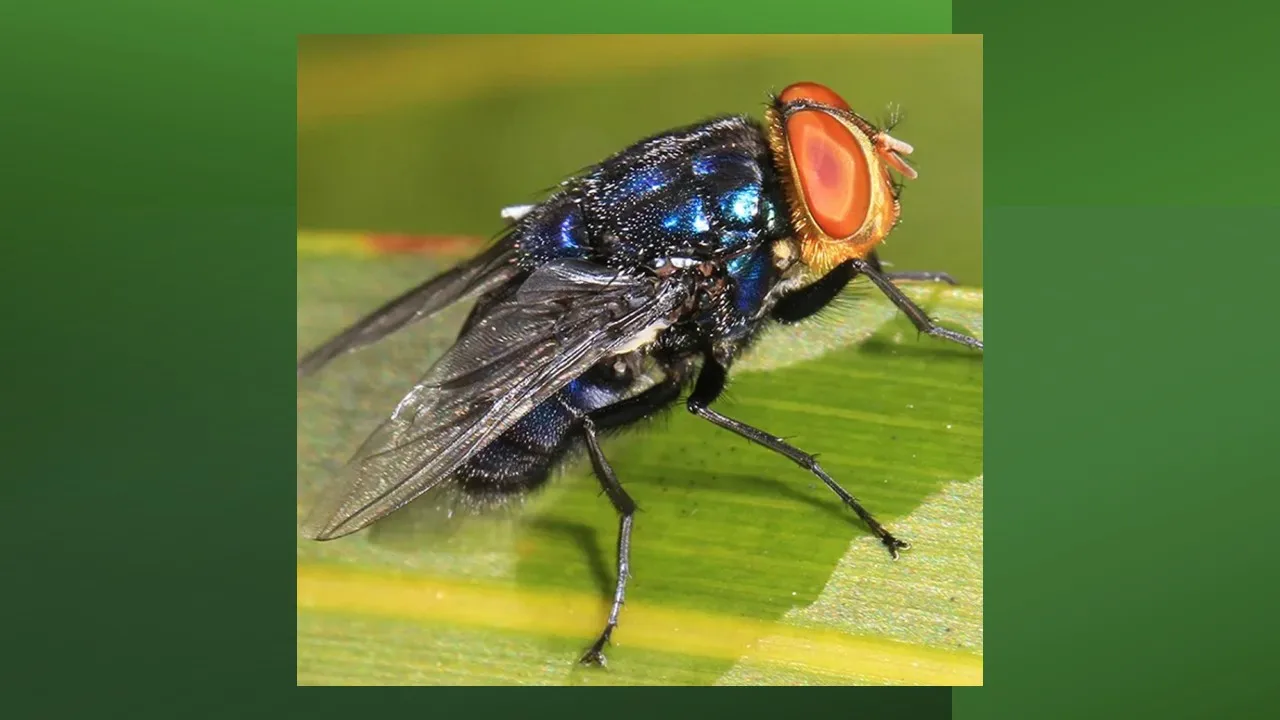
The New World screwworm is the larval stage of the fly Cochliomyia hominivorax.
Unlike many fly larvae that feed on dead or decaying tissue, screwworm larvae develop in living tissue. Female flies seek out wounds, damaged skin, or vulnerable areas where they can deposit eggs. Once the eggs hatch, the larvae develop within the affected area.
This unique behavior is what makes the parasite such a concern for animal health professionals.
Historically, the New World screwworm affected livestock, companion animals, wildlife, and occasionally people. Before successful eradication efforts, ranchers throughout the southern United States routinely dealt with infestations that impacted both animal health and agricultural productivity.
Why Is the New World Screwworm Back in the News?
The United States successfully eliminated the New World screwworm decades ago through an innovative eradication program known as the Sterile Insect Technique.
By releasing sterile male flies into affected areas, scientists dramatically reduced the screwworm population over time. The program became one of the most successful animal health initiatives in modern history.
Recent detections in Mexico and confirmed cases in Texas have renewed concern among animal health officials. Agencies such as the United States Department of Agriculture (USDA), Texas Animal Health Commission (TAHC), and veterinary organizations are actively monitoring the situation.
The current focus is on early detection, rapid response, and preventing the parasite’s wider establishment.
Why the Current Situation Matters
The reason veterinarians and livestock producers are paying close attention is simple.
The New World screwworm can affect a wide variety of animals. A single infestation can create significant health concerns if it goes unnoticed.
Early identification remains one of the most effective ways to reduce complications and protect animal welfare.
Awareness helps animal owners understand what signs deserve attention and when veterinary involvement may be appropriate.
Which Animals Can Be Affected?
One of the reasons New World screwworm in Texas has generated so much discussion is the wide range of animals that may be vulnerable.
Dogs
Dogs can become vulnerable if they develop wounds, skin irritation, surgical incisions, or other openings in the skin.
Outdoor dogs, hunting dogs, ranch dogs, and working dogs may experience increased exposure simply because they spend more time in environments where injuries can occur.
Cats
Outdoor cats may face additional risks because they frequently explore fences, brush, sheds, barns, and other environments where cuts and scrapes are possible.
Because cats are naturally skilled at hiding discomfort, regular inspections become especially important.
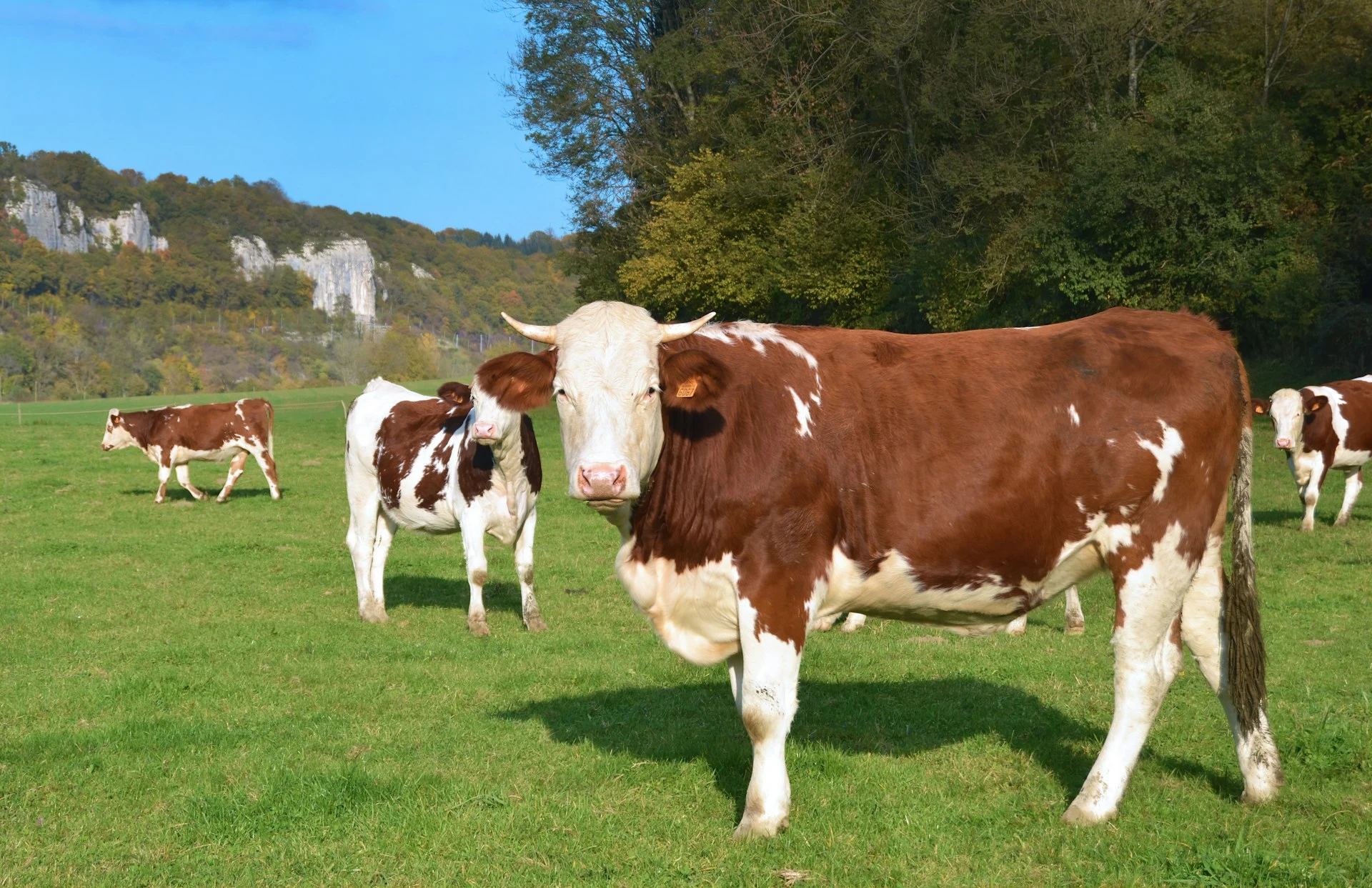
Cattle
Among livestock species, cattle receive significant attention during screwworm discussions.
Common risk factors may include:
- Branding sites
- Ear tag locations
- Castration sites
- Calving-related wounds
- Fence injuries
- Tick bite reactions
Understanding cattle screwworm risks is especially important for producers managing large herds.
Horses
Horses can also be affected. Pay extra close attention to your horse’s body condition. Even minor injuries, skin irritation, insect bites, and surgical wounds may lead to complications if not monitored carefully.
Sheep and Goats
Small ruminants can experience similar risks, particularly when wounds or skin irritation are present.
Routine observation remains an important part of flock and herd management.
Wildlife
Wildlife populations can also be affected by screwworm infestations.
This is one reason animal health officials continue monitoring the situation closely across broad geographic areas.
Common Risk Factors for Pets and Livestock
The New World screwworm depends on wounds or damaged tissue to begin its life cycle.
Fortunately, understanding common risk factors can help animal owners remain vigilant.
Surgical Sites
Healing surgical incisions deserve close monitoring.
Whether it is a spay, neuter, orthopedic procedure, or livestock management procedure, proper aftercare supports healing and reduces complications.
Skin Conditions
Chronic skin irritation can create vulnerable areas.
Examples include:
- Allergies
- Hot spots
- Skin infections
- Excessive scratching
- Chronic irritation
Managing these conditions promptly supports both comfort and health.
Minor Cuts and Scrapes
Small injuries often occur during everyday activities.
A dog running through brush, a horse rubbing against a fence, or a cow moving through pasture can all experience minor wounds.
These injuries typically heal well when monitored appropriately.
Tick Bite Reactions
Areas affected by ticks or insect bites occasionally develop localized irritation that deserves attention during routine inspections.
Identifying Screwworm Infestations Early
Early recognition is one of the most effective ways to limit complications.
Fortunately, animal owners do not need specialized training to recognize when something seems unusual.
Wounds That Are Not Healing Normally
A wound should gradually improve over time.
Warning signs may include:
- Increasing redness
- Swelling
- Persistent drainage
- Delayed healing
- Expanding size
These changes warrant closer evaluation.
Excessive Attention to the Area
Animals often communicate discomfort through behavior.
You may notice:
- Licking
- Chewing
- Scratching
- Rubbing
- Sensitivity
Behavioral changes often provide valuable clues.
Changes in Appetite or Activity
Reduced activity levels, reluctance to move, or decreased appetite may indicate discomfort.
While many conditions can cause these changes, they should not be ignored when wounds are present.
Screwworm Prevention for Livestock
When discussing screwworm prevention for livestock, routine observation remains one of the most effective tools available.
Conduct Regular Herd Checks
Frequent inspections help identify problems early.
Pay special attention to:
- Newborn animals
- Recently processed cattle
- Animals recovering from injury
- Areas where wounds may be present
Early intervention often leads to better outcomes.
Monitor Seasonal Conditions
Warmer weather typically increases fly activity.
During periods of increased insect activity, wound monitoring becomes especially important.
Work Closely With Your Veterinarian
Veterinarians remain valuable partners in herd health management.
Routine veterinary involvement helps identify concerns, address injuries, and support overall animal health.
Protecting Pets From Screwworms
Many of the same principles apply to companion animals.
Perform Routine Skin Checks
Take a few moments each week to inspect your pet.
Pay attention to:
- Ears
- Paws
- Belly
- Skin folds
- Tail area
- Areas beneath thick fur
These simple checks often reveal concerns before they become significant problems.
Address Wounds Promptly
Even minor wounds deserve observation.
Monitoring healing helps identify situations that may require veterinary attention.
Stay Current With Wellness Care
Regular veterinary visits provide opportunities to discuss skin health, wound management, parasite concerns, and preventive care.
How Veterinarians and Producers Can Work Together
The current situation highlights the value of collaboration.
Veterinarians, livestock producers, ranchers, horse owners, and pet owners all play important roles in protecting animal health.
Open communication helps:
- Identify concerns early
- Improve reporting
- Support treatment efforts
- Reduce complications
- Protect both companion animals and livestock
Working together strengthens animal health across entire communities.
What Should You Do If You Notice a Suspicious Wound?
Remain calm and contact your veterinarian.
Screwworms do not cause most wounds, but any wound that appears unusual, worsens instead of improves, or causes noticeable discomfort deserves professional evaluation.
Prompt veterinary guidance allows concerns to be addressed before they become more significant.
Early action remains one of the most effective tools available.
Texas Public Radio is monitoring the screwworm infestation in Texas. WKVU is also monitoring the screwworm infestation. Agrilife Today is also hosting some public awareness events about the screwworm. The AAHA also has some educational articles about how the screwworm endangers pets.
FAQ
Can dogs get New World screwworm?
Yes. Dogs can be affected if wounds, skin irritation, or damaged tissue provide opportunities for infestation.
Can cattle get screwworm infestations?
Yes. Cattle are among the livestock species most commonly discussed when evaluating screwworm risks because wounds associated with routine management practices can create vulnerabilities.
Are horses at risk?
Yes. Horses can experience wounds, insect bites, and skin injuries that deserve monitoring and appropriate care.
How can I help with identifying screwworm infestations?
Monitor wounds closely, watch for changes in healing, observe behavior, and contact your veterinarian if anything appears unusual.
What is the best approach to screwworm prevention for livestock?
Regular inspections, prompt wound management, veterinary involvement, and attention to animal health all contribute to effective prevention.
Schedule an Appointment at Our Pipe Creek, TX Veterinary Clinic
Understanding New World screwworm in Texas helps both pet owners and livestock producers recognize potential concerns before they become larger problems. At Pipe Creek Animal Hospital, your Pipe Creek, TX animal hospital, veterinary teams can discuss New World screwworm in pets, review cattle screwworm risks, provide guidance on screwworm prevention for livestock, and assist with identifying screwworm infestations when concerns arise. If you’ve been searching for a vet near me and have questions about wound care, parasite risks, or animal health, schedule an appointment today.
This blog is intended for informational purposes only. Always consult your veterinarian for the appropriate medical advice, diagnosis, and treatment plan for your animals. Follow your veterinarian’s recommendations regarding wound care, parasite prevention, livestock management, and overall animal health.
To learn more about our veterinary clinic in Pipe Creek, Texas, visit our Services page. You’ll find information about our full range of veterinary care, including wellness and vaccinations, house calls, and more.
New World Screwworm in Texas: What Pet Owners and Livestock Producers Should Know

Emergency Preparedness for Farm Animals in Bandera